Low-E vs regular dual-pane windows: which one does an Inland Empire home need?
By the Silver Lining Restoration team · · 5 min read
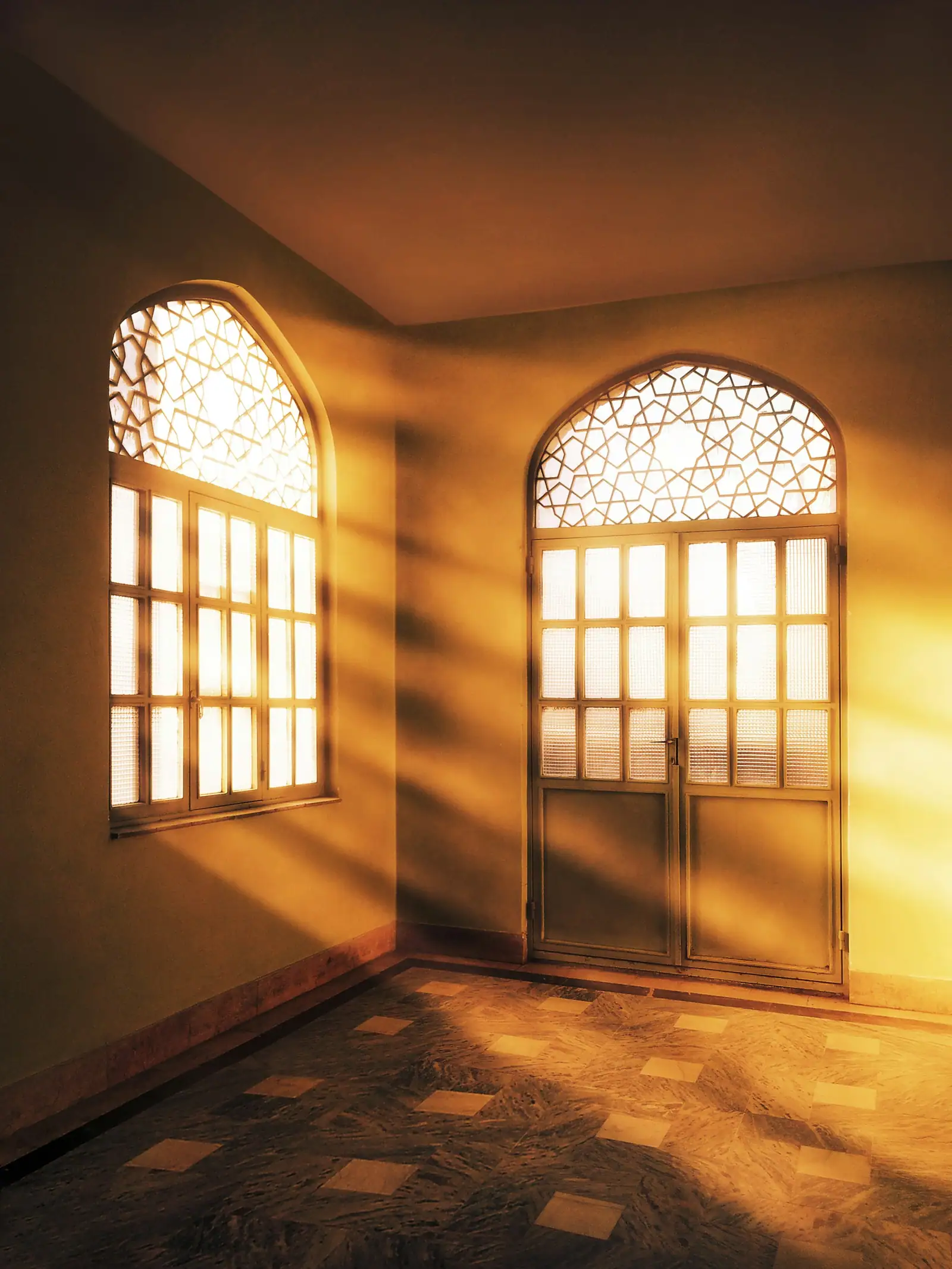
The short answer: For an Inland Empire home, choose dual-pane windows with Low-E glass. Plain dual-pane slows heat with an air or gas gap, but it still lets infrared heat from the sun straight through. Low-E adds a thin coating that reflects that heat while letting daylight in, which matters most on west and south facing walls.
What does a regular dual-pane window do?
A dual-pane window is two sheets of glass with a sealed space between them. That space slows heat moving through the window by conduction, which is the reason any dual-pane window beats the single-pane aluminum slider your house came with. (Low bar. The single-pane slider was mostly a draught with a handle.)
What plain dual-pane does not do much about is radiant heat: the sunlight itself. Clear glass lets most of it through, it lands on your sofa, and your sofa becomes a space heater by 4 pm.
What does Low-E glass add?
Low-E stands for low emissivity. The glass carries a coating far thinner than a human hair that reflects infrared and ultraviolet light while letting visible light pass. You keep the view and the daylight; a large share of the heat stays outside.
That's why we set Low-E as our standard glass rather than an upgrade. In Riverside, Corona or Moreno Valley the sun is the main thing your windows are fighting from May to October, so a window that ignores it is solving the wrong problem.
Where does argon gas come in?
Argon is a heavy, harmless gas used to fill the space between the panes. It slows heat transfer through the gap better than ordinary air. Every window we sell is Low-E and argon filled, then sealed to make a single insulated unit.
Think of it as a team: Low-E deals with the sunlight, argon deals with the heat trying to sneak through the middle. Neither one is glamorous. Both are quietly doing their jobs while you take the credit for a cooler house.
Which windows benefit most from Low-E?
West-facing windows get the strongest, lowest afternoon sun and benefit most. South-facing glass comes second. One of our customers put it better than we can: they could tell the difference in blocking out sun on their west exposure windows straight away.
- West-facing living rooms and bedrooms
- South-facing sliders and patio doors
- Large picture windows
- Upstairs rooms under a hot attic
What should I ask before signing a window quote?
Quotes are hard to compare when one says "energy efficient" and another lists coatings and gas fills. Ask every company the same questions and write down the answers.
- Is Low-E glass standard or an upgrade?
- Are the units argon filled?
- Who takes the final measurements before manufacture?
- Who installs: your own crew or a subcontractor?
- What does the warranty cover, and does it transfer if I sell?
- Are the windows and install Title 24 compliant?
Quick questions
Is Low-E glass worth it in Southern California?
Yes. In hot, sunny inland areas, Low-E glass reflects much of the sun's infrared heat while letting daylight through, which keeps rooms cooler than plain dual-pane glass.
Does Low-E glass make rooms darker?
Low-E coatings are designed to let visible light through while reflecting infrared and ultraviolet light, so rooms stay bright.
Are Silver Lining windows Low-E?
Yes. Every Silver Lining window uses Low-E glass as standard, with argon gas fill, sealed into an insulated unit.
Where to go from here
If this sounded like your house, the next step is a free in-home estimate. Or read more about: